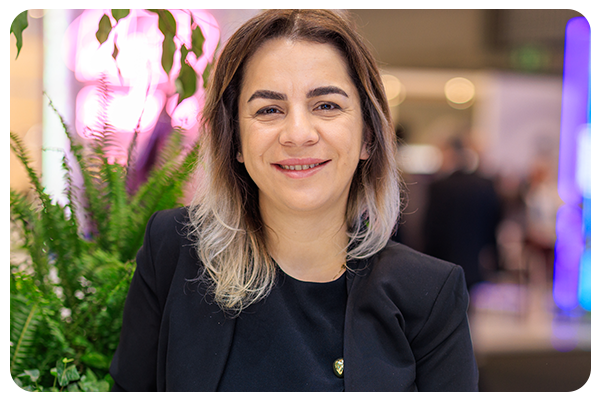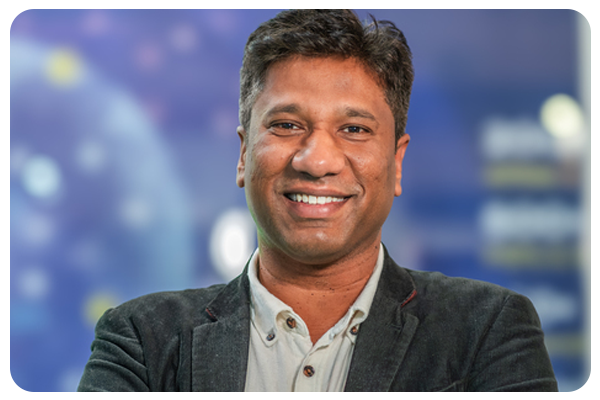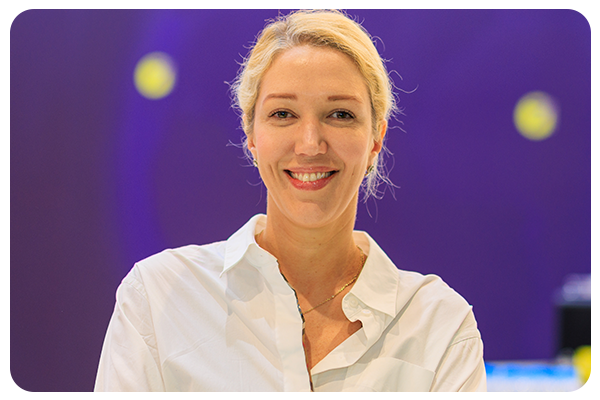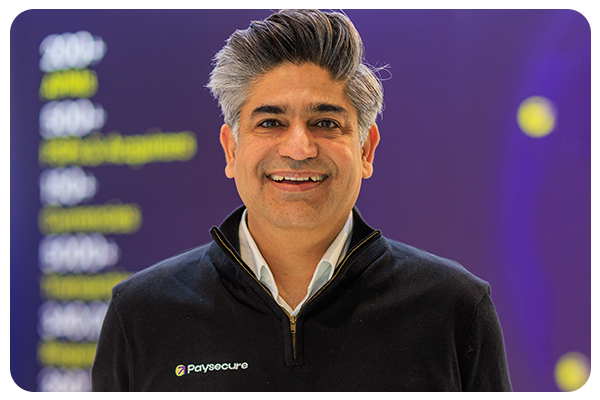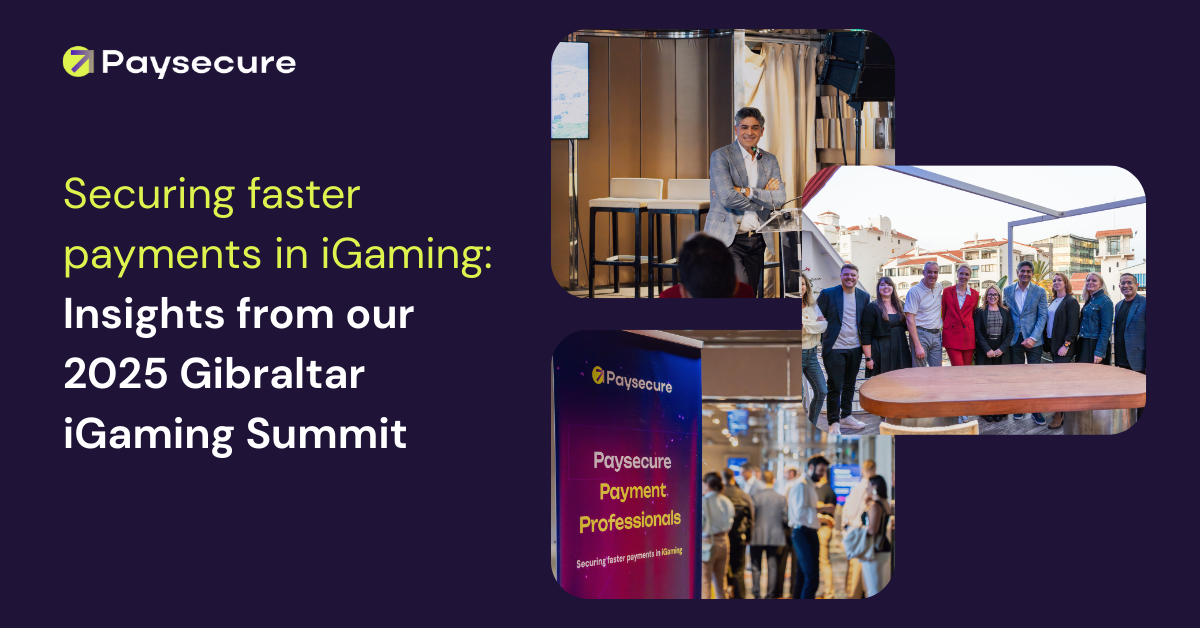
Last October, the Paysecure team launched a key gathering for operators, payment leaders, and technology providers shaping the future of online gaming. Across one afternoon of keynote talks and expert panel discussions sessions, the Gibraltar iGaming event explored how the industry can deliver faster, more secure, and more seamless payment experiences at a time when player expectations, regulatory pressures, and global expansion are creating increasingly complex operational realities.
A recurring message across the event was the critical need for operators to balance speed with security. As more than 30% of deposits are still abandoned due to friction, and with regulatory scrutiny intensifying across major markets, the industry is under pressure to optimise the deposit journey without compromising on safety, compliance, or performance. This tension set the tone for rich discussions on technology, data, orchestration, and ecosystem collaboration; all explored through the lens of creating a smarter, more resilient payment infrastructure.
Market Challenges: Rising expectations in a complex regulatory world
The conference highlighted how rapidly the iGaming ecosystem is evolving. Players have grown accustomed to instant digital experiences, from one-click transactions to ultra-fast payouts. At the same time, regulators across Europe, LATAM, Asia, and North America are imposing higher standards for fraud prevention, data protection, and responsible gambling.
This combination of rising expectations and tightening regulations has intensified the pressure on operators. Many now face the dual challenge of reducing friction to protect conversion while simultaneously introducing more sophisticated controls to protect players and safeguard the integrity of each transaction. As several speakers noted, speed alone is no longer enough; operators must deliver fast, safe, and stable payment journeys every time.
Technology Trends: Innovation driving the next wave of seamless payments
Much of the discussion across the summit focused on the technologies reshaping the future of iGaming payments. Over the past two decades, the industry has moved from traditional card payments to a landscape dominated by biometrics, tokenisation, dynamic cashiers, and intelligent routing. Yet every layer of innovation brings new considerations around data, compliance, and operational complexity.
Mastercard Session: Next-Gen Digital Payments and Network Tokenisation
One of the standout sessions was led by Mastercard, who provided a forward-looking view on the evolution of digital payments and the role tokenisation will play in protecting consumers and enhancing approval performance. Mastercard shared its ambition for 100% ecommerce tokenisation across Europe by 2030, highlighting the clear uplift in security and conversion that tokenisation delivers for merchants.
The session explored how solutions such as Secure Card on File, Click to Pay, and Passkeys streamline the user experience while reducing card-not-present fraud. Mastercard also shared early traction and success metrics from markets already adopting network tokens at scale, emphasising that the gaming and gambling vertical stands to benefit significantly from these advances. Tokenisation represents one of the major leaps forward for both payment security and transactional performance.
What Players Want: Convenience, trust, and minimal friction
Another strong theme throughout the event was the shift toward player-centric payment experiences. Modern players expect deposits to be fast, predictable, and tailored to them. Whether they are using cards, digital wallets, bank transfers, or alternative payment methods, they expect a journey that adapts seamlessly to their behaviour.
Speakers explored how behavioural analytics and dynamic cashier design can personalise payment flows, presenting the most relevant methods, adapting to risk signals, and reducing unnecessary steps. This approach not only increases conversion but also builds trust, which is a critical factor in an industry where players can easily switch to competitors offering a smoother payment experience.
What Operators Need: Speed without sacrificing security or compliance
From an operator standpoint, the challenge lies in delivering lightning-fast deposits while managing compliance, preventing fraud, and maintaining stable performance across diverse markets. With multiple acquirers, PSPs, APMs, and regulatory environments to juggle, the payment stack has become increasingly complex.
The conversation turned repeatedly to the need for infrastructure that supports high performance without creating operational bottlenecks. As markets expand and regulatory demands grow more stringent, operators require systems capable of adapting quickly, responding dynamically to failures, and managing the full lifecycle of a transaction without exposing vulnerabilities.
A key part of this conversation centred on the buy-versus-build dilemma that many operators face when modernising their payment infrastructure. While building in-house can appear to offer greater control, it often comes at the cost of speed, scalability, and long-term adaptability. The pace of change in payments, from evolving regulations to emerging payment methods, means that even well-resourced internal teams can struggle to keep technology truly futureproof. By contrast, buying into specialist platforms, such as an orchestration layer, gives operators immediate access to cutting-edge capabilities, maintained and improved by dedicated experts whose sole focus is optimising performance. This approach not only shortens deployment timelines, but also ensures that operators benefit from ongoing innovation, regulatory alignment, and the ability to integrate, test, and adapt at speed across global markets.
Worldpay Session: Powering Performance – The Acquirer’s Role in iGaming Payments
Worldpay’s session played an important role in clarifying how acquirers support operators through modern-age challenges. They highlighted global trends in approval performance, fraud patterns, risk behaviours, and the rapidly growing adoption of alternative payment methods. Worldpay outlined how acquirers, orchestrators like Paysecure, and operators must work together to overcome market fragmentation and regulatory variability. Their discussion underscored the importance of ecosystem-wide collaboration to create secure, scalable, and high-performing payment strategies that meet the demands of modern iGaming players.
How Operators Can Succeed: Orchestration at the heart of modern payments
Throughout the event, payment orchestration became a central theme and was discussed as a critical enabler for operators seeking to combine speed, intelligence, and security.
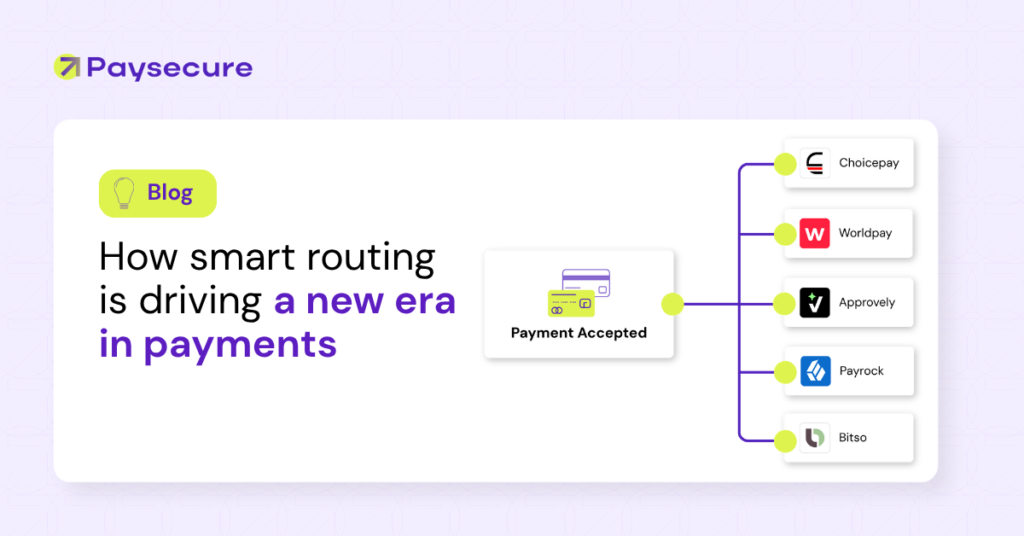
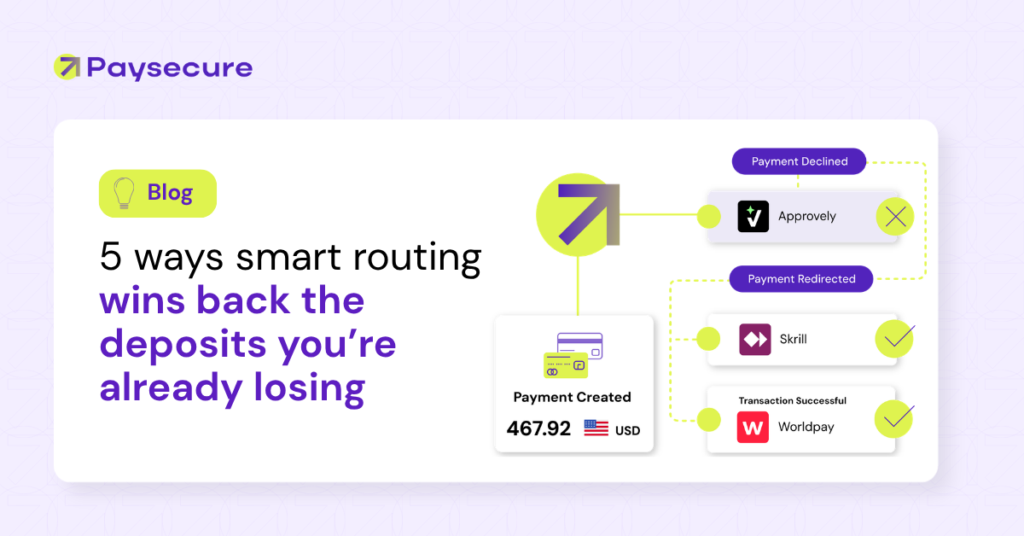
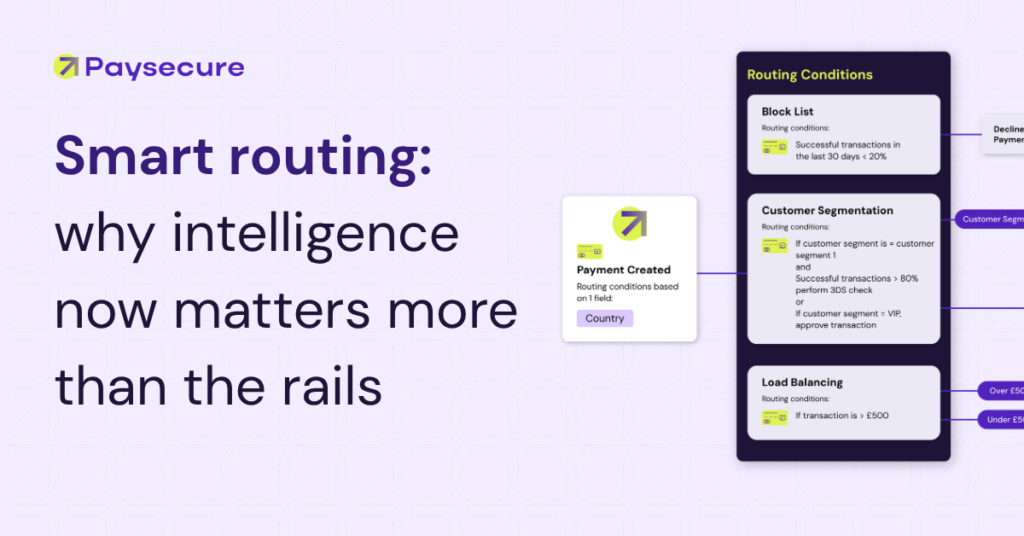
Orchestration acts as a comprehensive payment management platform, empowering operators to unify multiple providers under a single framework, optimise routing decisions in real time, strengthen resilience through automated failovers, and simplify global compliance requirements.
Speakers at the Gibraltar iGaming event reinforced that orchestration not only improves acceptance rates and operational efficiency but also supports experimentation and continuous optimisation. In a complex and dynamic landscape, such as iGaming, orchestration platforms, such as Paysecure, transform fragmented systems into cohesive, data-driven payment ecosystems capable of adapting to player behaviour and regulatory change.
Looking ahead
The conversations and momentum across the event reaffirmed our commitment at Paysecure to equipping iGaming operators with the fastest, safest, and most adaptive payment infrastructure available.
The next era of iGaming payments will be defined by speed, granular performance intelligence, and deep collaboration across the ecosystem. As global markets become more connected and player expectations continue to rise, operators need payment strategies that are agile, data-driven, and designed for constant optimisation.
At Paysecure, we remain focused on driving this evolution. By delivering our comprehensive payment orchestration platform, we help operators build payment journeys that perform today and scale for tomorrow.