Commerce has never stood still. For as long as the internet has existed, it has continually evolved alongside technology, reshaping how customers discover, choose and pay for products and services. Each shift, from the first online checkouts to mobile wallets and real-time payments, has raised the bar for merchants, requiring them to adapt to changing expectations and new ways of buying.
The next evolution is already underway, and it has the potential to reshape commerce once again. Customer expectations are moving towards faster, more personalised experiences, with AI increasingly acting on their behalf. For merchants, this is about far more than adopting the latest feature or payment method. Competing in the age of AI, including agentic commerce, depends on having a payment foundation designed for agility, adaptability and interoperability, so you can evolve as quickly as customer expectations do.
Agility bridges the now and the next
Before looking at where agentic commerce is heading, it helps to start with what you are already doing today. Meeting modern customer expectations already requires agility. Examples such as adding new and locally relevant payment methods as demand shifts, delivering a dynamic cashier that adapts to customer preferences and using intelligent routing that responds to payment performance in real time.
None of this sits outside the AI conversation. In many ways, it is the first step towards it. A payment stack that can already personalise the checkout, introduce new payment methods quickly and route transactions intelligently is well positioned for the future. Agility is what bridges the gap between where commerce is today and where it is heading.
The shift from clicks to agents
Agentic commerce describes a world where a customer sets the intent, and software carries it through, discovering, selecting, authorising and completing the payment on the customers’ behalf. The transaction itself remains the same. What changes is who makes the decisions leading up to it, with an AI agent acting under the customers’ mandate rather than the customer navigating the checkout themselves. For merchants, particularly those responsible for validating and standing behind a payment if it is challenged later, that represents a significant shift.
The new problem is proof, not just protection
For years, payment security has focused on protecting card credentials. Agentic commerce introduces a more complex challenge: proving the context behind a transaction. Which agent initiated it? Under what mandate? Within what limits? And with whose consent? A payment token alone cannot answer those questions.
The industry is already alert to the risk. Accenture reports that 87% of financial institution CTOs and payments leaders see trust as the biggest barrier to agentic payments, while 78% expect fraud to increase significantly as it scales. Trust is no longer just a desirable outcome, it is a prerequisite. Earning that trust means engineering it into the payment stack from the outset.
Agentic commerce is still evolving, and so is the ecosystem around it. Building trust will require collaboration across the payments industry, supported by a flexible and agile payment infrastructure that can connect emerging technologies and adapt as standards continue to mature.
Agents on the merchant side, not just the buyer side
It is easy to think of agentic commerce as something happening to merchants, with AI agents arriving at the checkout, ready to complete a purchase. However, that is only half of the story. With emerging technology, there are a wealth of other opportunities within your own operation, where AI and agentic workflows can drive smarter decisions behind the scenes.
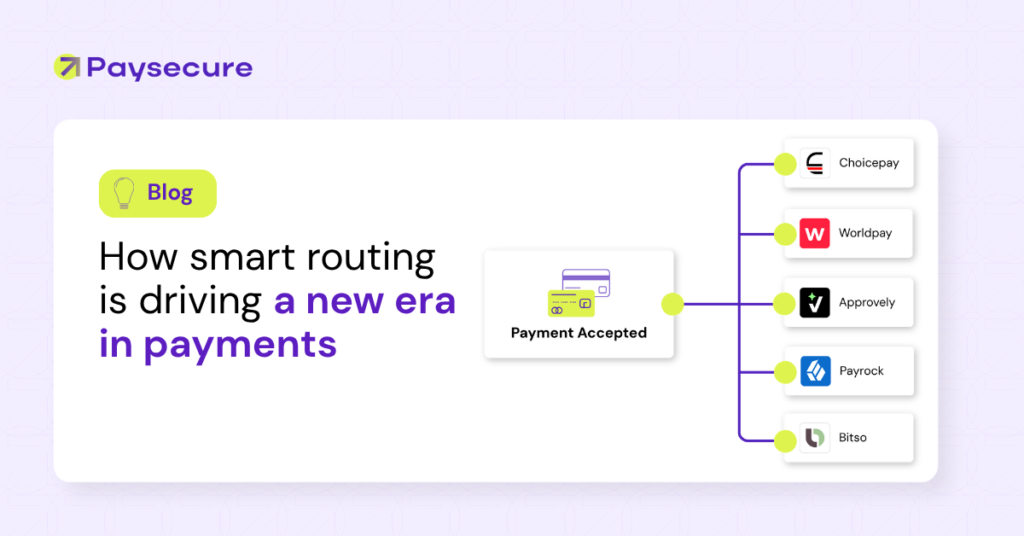
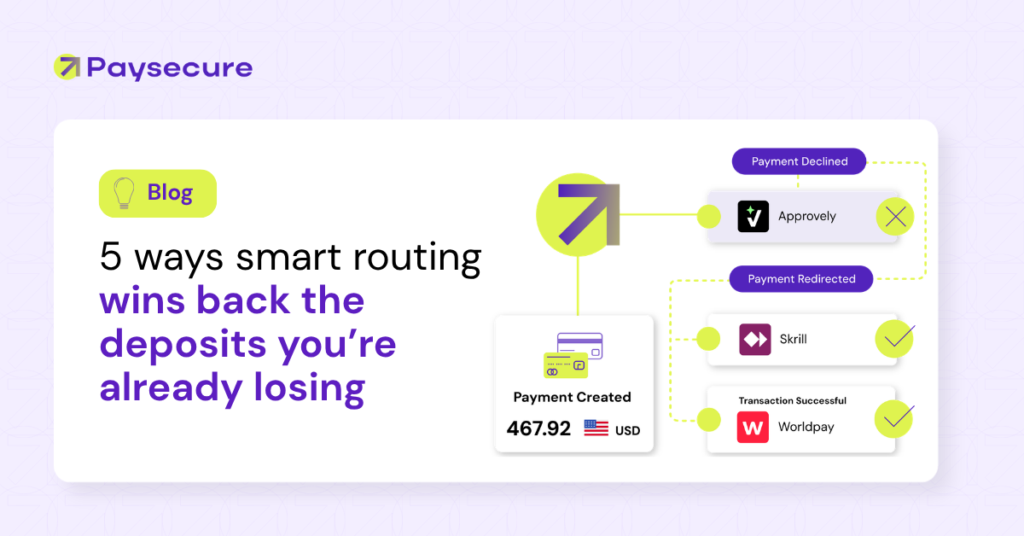
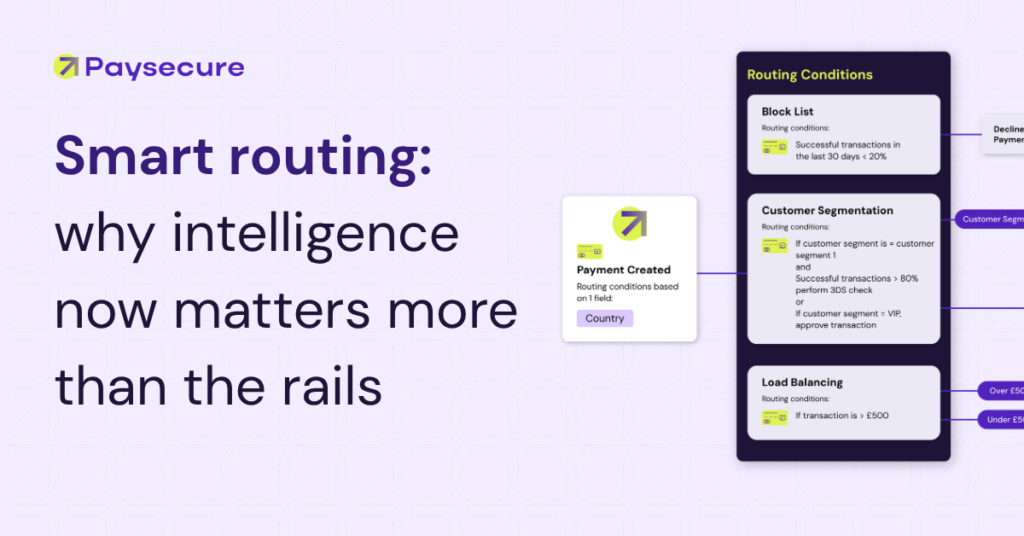
Intelligent routing is one example already taking shape. A core component of orchestration, routing draws on data and insight to make a decision on every transaction, reacting in real time within the guardrails a merchant sets. Extend that same thinking across the wider payment stack, and agentic workflows could optimise payment performance, move personalisation beyond broad customer segments to truly relevant experiences, and respond to payment data as it happens. The result is higher authorisation rates, smoother customer journeys, and stronger retention and lifetime value.
Agentic commerce is not just about accepting payments from AI agents. It is about merchants understanding the broader use cases of AI and where it can enhance your own payment infrastructure to go beyond operational efficiency and create measurable improvements across the entire payment experience.
Why orchestration is the natural home
The standards for agent-driven payments are still taking shape, with several emerging in parallel, including Google’s AP2, Stripe’s Agentic Commerce Protocol, Visa’s Trusted Agent Protocol and the Machine Payments Protocol. At this stage, few merchants will want to commit their entire payment stack to a single standard before the landscape has matured.
This is where an orchestration layer comes into its own. A neutral, protocol-agnostic layer sits across an evolving ecosystem rather than tying a business to a single standard, enabling support for new protocols as they mature without requiring a major rebuild each time. The value of flexibility, already proven through capabilities such as intelligent routing and tokenisation, becomes even more important when the foundations of commerce are evolving.
Futureproofed by design
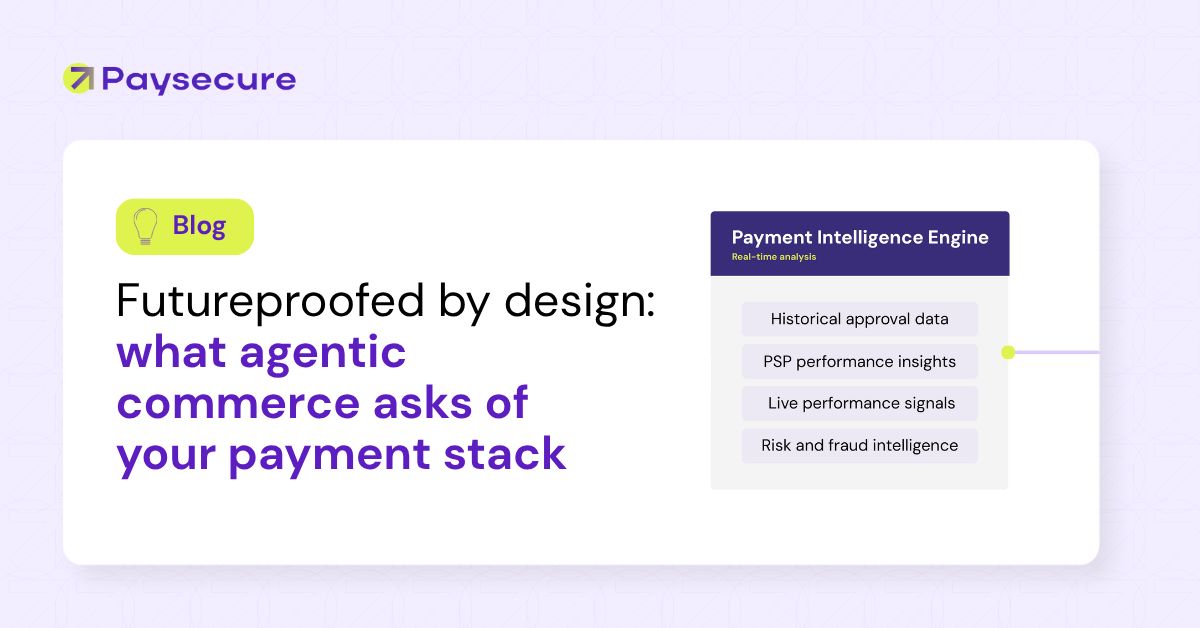
At its core, payment orchestration is a data hub with an intelligent decision engine, built to make the best routing and payment decisions for every transaction. That same architecture, neutral, intelligence-led and provider-agnostic, is exactly what the next phase of AI in payments will require. Being ready for agentic commerce is less about adding another feature and more about having the right foundations in place from the start.
Like any transformative technology, AI adoption is a journey, not a destination. Preparing for agentic commerce is about building the infrastructure, intelligence and deep system memory, to provide a foundation for what is yet to come. The merchants best positioned to adapt will be those with payment stacks designed for flexibility and continuous evolution, rather than the ones hard-wired to yesterday’s assumptions.
Build the foundation now
Preparing for agentic commerce is ultimately about ensuring you are building a payment stack that is ready for whatever comes next: agile enough to adopt new payment methods and standards, interoperable enough to work across them, and flexible enough to evolve as the landscape changes.
For most merchants, building and maintaining that capability in-house is a significant challenge. It is the familiar build-versus-buy decision, made even more pressing by the pace of AI. The speed and agility this future demands is difficult to develop, and even harder to sustain, without dedicated expertise and continual investment. That is exactly what payment orchestration is designed to deliver. Futureproofing has never been about predicting what comes next. It is about building on a foundation that is ready for it.