The global digital economy has entered a transformative era, characterised by a fundamental shift in how financial interactions are structured. Based on what we are seeing, we are moving away from the rigid, centralised architectures of the past towards a more decentralised, user-centric landscape, often referred to as Payment 3.0.
In this new environment, the payment function is no longer a mere back-office utility or a simple transactional pipe. Instead, it has evolved into a foundational technology and a core competitive advantage. At the heart of this evolution lies a sophisticated engine that is driving progress in the payments industry: smart routing.
Smart routing represents an intelligent technology layer that transcends the limitations of traditional, static payment connections. Historically, many merchants were tethered to a single payment gateway, a configuration that created significant systemic risks, including data blind spots and high rates of false declines.
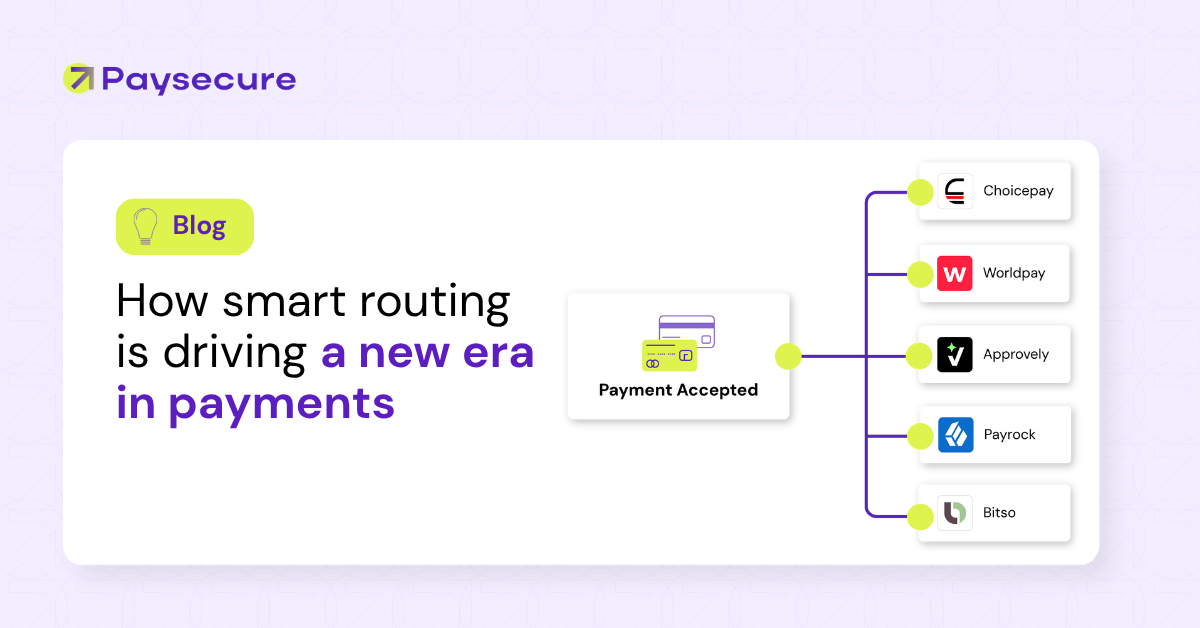
Smart routing breaks this cycle by functioning as the operational brain of every transaction. It acts as a programmable value layer that evaluates transaction data in real-time, instantly selecting the most efficient path among multiple potential processors to ensure a successful outcome.
So how does it work?
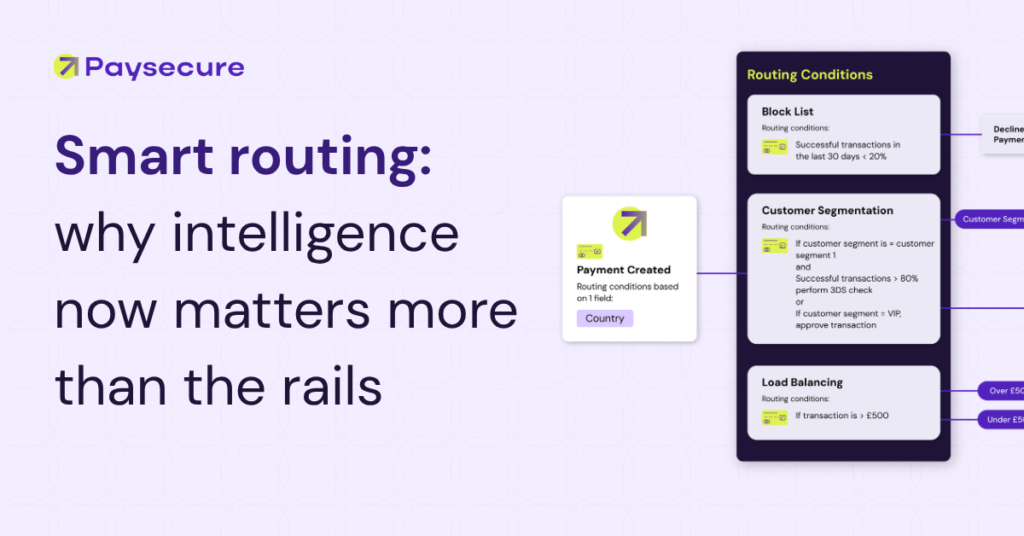
When a customer initiates a payment, the routing engine begins by performing a comprehensive evaluation of the transaction details. This includes analysing the currency, the specific card brand, geographical region, and even the Bank Identification Number.
This information is then checked against a complex set of pre-configured rules or evaluated by machine learning and AI algorithms that monitor the real-time health and historical performance of various acquiring banks. By analysing these variables, the system can bypass congested or underperforming routes and dispatch the transaction to the gateway most likely to authorise it.
How is this different?
Traditional single pathway routing drove a customer transaction from the merchant website through one default payment gateway or PSP to a single acquiring bank. This often meant merchants were trapped in high fee deals and were heavily reliant on the consistency of the acquirer’s technology.
For example, if the acquiring bank faced downtime or an outage, or had a high number of false declines, it was the merchant who suffered the lost transaction. , If the acquirer had limited geographical reach, the merchant would also struggle to expand its customer base beyond its current market. In short, the merchant faced high declines, high fees, high outage rates and barriers to growth.
In the age of AI and agentic commerce, there is a growing need for speed and flexibility to address the needs of today’s consumer. With an increased number of connections that can be tailored to the specific location and behaviour history of the customer, any payment provider that offers this option is better positioned to support long-term growth.
One of the most critical functions of smart routing is its ability to combat revenue leakage through enhanced resilience. In any digital sector, the payment stage can be one of the most vulnerable points in the customer journey. Statistical evidence consistently shows a majority of customers who encounter a failure at this stage will simply abandon their purchase, impacting both the immediate sale and long-term brand loyalty.
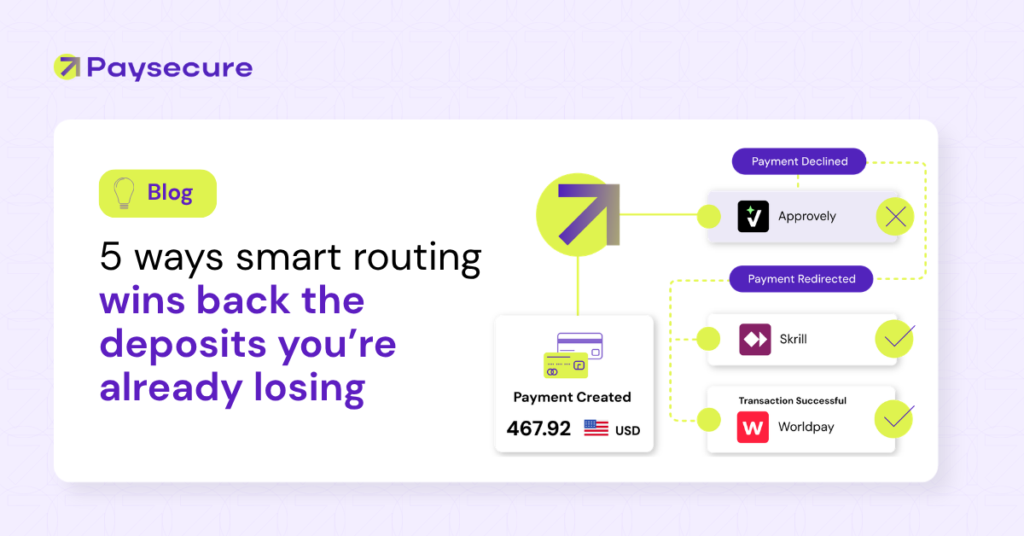
Smart routing provides a vital safety net through a process known as cascading retries. If a primary processor issues a soft decline or experiences a technical timeout, the system can automatically and silently reroute the transaction to an alternative provider. This happens behind the scenes without the user ever being aware of a problem, effectively rescuing sales that would otherwise have been lost to technical friction.
Beyond technical stability, smart routing serves as a powerful tool for global expansion and hyper-localisation, a key point of weakness of single payment gateways. For a business to scale effectively across borders, it must be able to cater to the specific preferences of local markets, where customers often expect to pay using customary regional methods rather than global card brands.
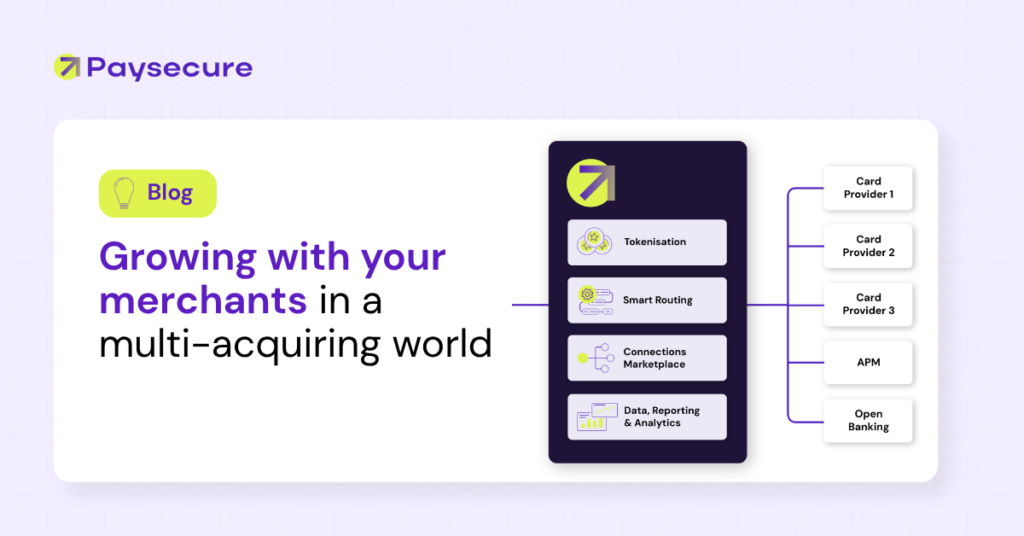
An orchestrated approach allows for the seamless integration of these local methods through a single point of control. Furthermore, the data feedback loop generated by smart routing allows for continuous improvement. The outcome of every transaction is logged and analysed, meaning the routing logic becomes more efficient over time, continually refining its ability to distinguish between legitimate customers and high-risk actors.
What we’re moving towards
Ultimately, the democratisation of this high-performance infrastructure is redefining the competitive landscape. For many years, the ability to build and maintain such sophisticated orchestration was the exclusive domain of global giants with massive internal IT budgets.
Today however, the shift toward scalable, modular, and API-first platforms has levelled the playing field. Businesses of all sizes can now access the same high-performance infrastructure and deep analytics as market leaders. In an increasingly complex global economy, the adoption of smart routing is no longer a luxury for the few, but a strategic necessity for any organisation looking to build a resilient, high-converting, and truly international payment experience.