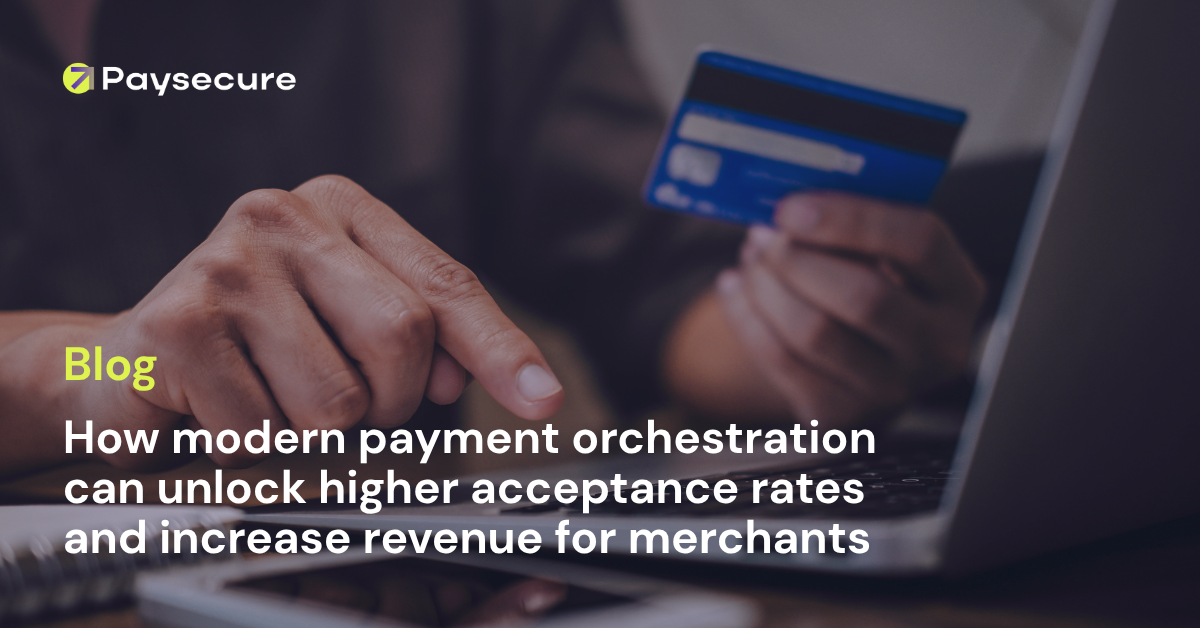
In digital commerce, every declined transaction is more than a missed payment. It is forfeited revenue, a disrupted customer experience, and sometimes a lost customer entirely. For merchants, acceptance rates are one of the clearest indicators of payment performance.
Modern payments are complex, customers expect seamless global checkout experiences, issuers apply different approval logic, and payment flows vary by region and method. Without the right tools, merchants can struggle to understand why transactions fail, how to recover them and how to optimise payment journeys to maximise overall performance.
Tackling approval rates to boost your payment performance
When acceptance rates fall, it often signals underlying inefficiencies in the payment journey, such as sub-optimal routing, overly strict fraud controls, gaps in payment method coverage or underperforming acquiring relationships. There are many variables at play, including regional customer preferences, issuer approval logic, and provider performance that can vary by traffic volume or transaction value. Merchants that actively monitor transaction performance can identify issues early and take targeted action to optimise acceptance.
In this piece, Paysecure shares six ways to improve acceptance rates through data, insights and a comprehensive payment platform.
Improving acceptance rates requires a structured, strategic approach. It is not just about technology, it is about combining insights, process optimisation, and flexibility to manage a complex payment ecosystem.
1. Turn payment data into actionable insights
Gaining a clear view of your payment performance is essential for driving improvements. Advanced analytics and insights provide detailed visibility across issuers, BINs, geographies, and payment methods; identifying patterns and opportunities that may be limiting your approval rates.
With richer data and deeper insights, merchants can build dynamic payment journeys that integrate with the right partners to maximise conversions and increase acceptance rates.
2. Optimise transaction routing
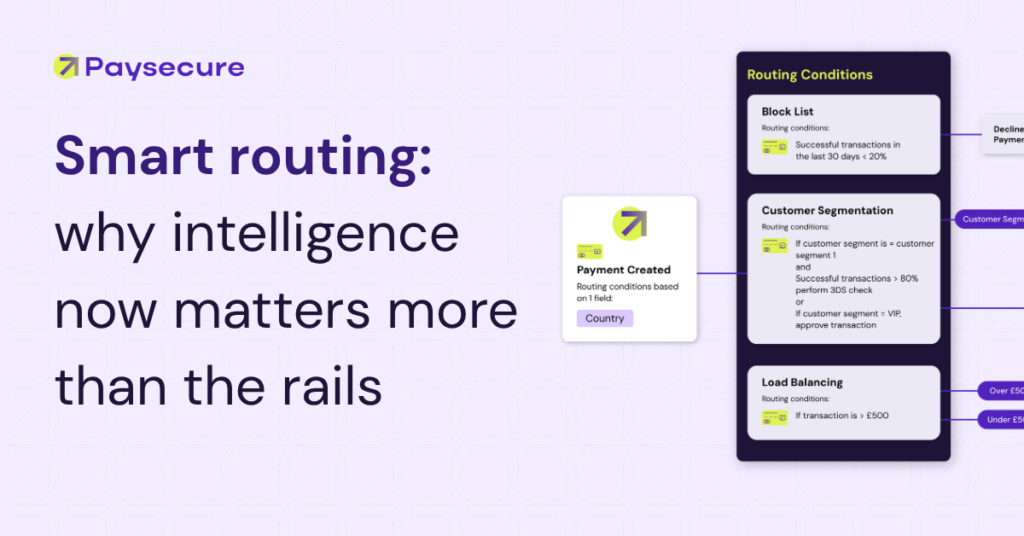
Not all payment paths perform equally, and some acquirers perform better in certain regions or with specific card types. Building clear payment journeys for customer segments or based on certain criteria, such as location or historical performance will strengthen overall performance.
Introducing tools like Paysecure’s intelligent routing, which leverages actionable insights fuel routing decisions, empowers you to design customised payment workflows that optimise every transaction for maximum efficiency and performance.
3. Build a multi-acquirer strategy
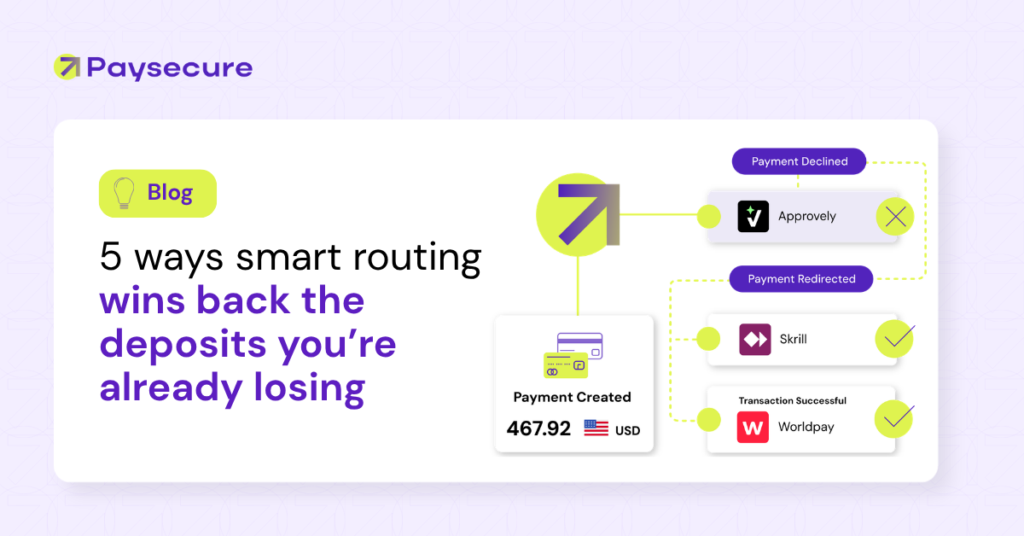
Declines do not always represent permanent revenue loss. Many soft declines can be recovered by retrying transactions or rerouting them through alternative paths.
Building a strong redundancy workflow, with multiple acquirers and introducing alternative solutions like network tokens is known to provide additional resilience. With orchestration platforms, you can connect with a global ecosystem of providers to ensure all genuine transactions are given the best possible chance of approval.
4. Reduce friction at checkout
The checkout experience is one of the most critical factors influencing payment success, as complex flows, slow response times, or poorly designed interfaces can lead to an abandoned checkout. Localising the checkout for different regions and markets, including supporting preferred payment methods is essential for better performance.
Consumer payment preferences vary widely across regions and markets, and limiting payment options can reduce both acceptance rates and overall conversion. Merchants have access to a broad range of global and local payment methods, from cards to bank transfers, enabling customers to pay the way they prefer.
With payment orchestration platforms like Paysecure, you can gain access to the entire payments ecosystem, allowing you to create flexible, tailored checkout flows that meet customer expectations, reduce friction, and boost both approvals and overall conversion, while providing the agility to scale seamlessly into new markets.
5. Balance fraud prevention with payment acceptance
While protecting against fraud is essential, overly strict controls can block legitimate transactions and reduce acceptance rates.
With greater reporting tools, such as those available within orchestration platforms, you can combine contextual fraud rules with transaction-level insights, enabling merchants to protect their business without sacrificing approvals, ensuring that legitimate transactions are prioritised while maintaining strong security standards.
6. Build a flexible, future-ready payment ecosystem
Acceptance rates are not static, and merchants must be able to adapt to new payment methods, regional regulations, and evolving customer expectations.
Paysecure provides a comprehensive payment orchestration layer that allows merchants to integrate multiple providers, expand into new markets, and continuously optimise performance, giving them the flexibility to scale and adapt while maintaining high approval rates and a resilient, future-proof payments infrastructure.
Could payment orchestration increase your acceptance rates?
By adopting payment orchestration, merchants can turn declines into approvals, recover lost revenue, and create a scalable, resilient infrastructure. Optimising acceptance rates is no longer about improving conversations, it is about building a payment strategy that drives revenue, boosts customer loyalty, and positions your business for sustainable growth in a competitive digital economy.
Discover how Paysecure can help you improve acceptance rates and maximise revenue.