Data shows32% of players immediately abandon a betting app if account funding takes too long, and23% never return after a payment issue. It is clear that payment performance now directly impacts player retention, lifetime value, and operational scale. What was once seen as a backend function is now firmly positioned as the make-or-break moment for LTV (lifetime value).
That’s why businesses across the iGaming ecosystem need to collaborate more closely than ever to innovate payment strategies that raise player performance and unlock new growth opportunities. Rising to meet that need, SBC brought together global industry leaders for SBC Digital – Payments 2025, a full-day virtual event held on Wednesday, July 16, in partnership with Worldpay and Neosurf. The agenda featured some of the most influential names in iGaming and payments, including Flutter, Entain, FDJ UNITED, Stake, Worldpay, Neosurf, Polymath Consulting, and more; all sharing proven strategies for turning payment challenges into competitive advantages.
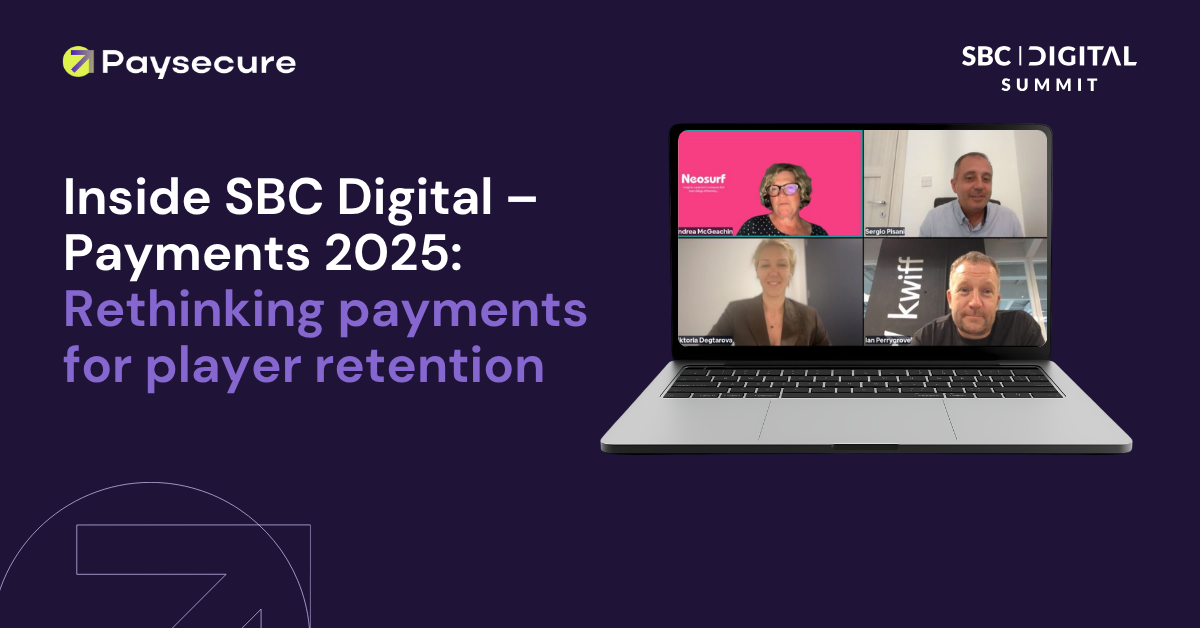
The panels tackled tough questions around authorization, wallet performance, compliance, and user experience, with a strong emphasis on execution to deliver against critical performance indicators. Among the standout sessions was one that drilled into how payments influence the entire user experience, not just the transaction itself: “Payments Are a Touchpoint, Not a Transaction”.
We had the privilege of joining this discussion, alongside brilliant minds across the ecosystem, to explore how orchestration, UX, flexibility, and data are redefining what payments mean in 2025.
Here’s a breakdown of the key takeaways from that discussion.
Payments are a touchpoint, not a transaction
The panel brought much-needed depth to a topic that often gets reduced to KPIs and processing speed. Moderated by Neosurf Group CEO Andrea McGeachin, the session offered a well-rounded mix of industry perspectives, combining fintech, legal, and operator voices in one focused and thoughtful conversation.
Viktoriia Degtiarova, our Co-Founder and Chief Commercial Officer at Paysecure, represented our vision on the panel, joining forces with industry peers from Wiztech Group, ProntoPaga, Kwiff, and experts in blockchain.
The panel explored whether the industry truly understands the emotional weight of a payment touchpoint, as payments are still too often treated as backend infrastructure. But this discussion called for a critical mindset shift: Payments must be seen as strategic pillars for engagement, retention, and differentiation. Payments are emotional moments, not just transactions.
They also examined how the smallest UX details, such as instant payouts, refund transparency, real-time updates, or even the tone of a decline message, can directly impact a player’s sense of security, trust, and long-term loyalty.
The conversation uncovered key areas where payment providers can better support operators by shaping the full emotional and behavioral journey of the player, besides the optimization of the payment flow. The panel touched on how small design choices can improve retention, why understanding regional habits is key to boosting conversion, and how behavioral patterns in payment data offer early signals for player wellbeing. At every step, the message was consistent: thoughtful payment experiences can drive performance while supporting responsible play.
The emotional power of payments
Every delay, failed deposit, or unclear message creates frustration and shapes how players perceive the brand behind the platform. A proactive, empathetic approach to communication, especially during friction points, is part of the user journey that defines whether a player stays or leaves. When the experience feels smooth, fast, and well-communicated, it reinforces a sense of safety and control. When it doesn’t, churn risk rises dramatically.
Our very own CCO, Viktoriia Degtiarova, recalled a story from a poker game where the player didn’t receive their winnings due to a failed payout. That single payment failure created lasting distrust. She emphasized that payments carry emotional weight, but operators often overlook the emotional impact of payments. Treating them as a utility or compliance checkbox misses the point, especially when payment issues can cost both transactions and a player’s lifetime value.
Designing for retention: Turning smooth checkouts into player loyalty
In iGaming, experience can directly determine whether a player stays, deposits again, or walks away for good. Operators often underestimate just how much performance lives in the little details. Settlement delays, unclear refund flows, or lack of real-time updates quickly erode trust.
One of the key takeaways from the panel was the measurable impact of intuitive and localized cashier design. A dynamic interface, that adapts to the user’s preferred payment methods, communicates clearly, and responds instantly, can “increase player loyalty by up to 75%”, as suggested by one of the panelists. When players feel a sense of control, speed, and security, conversion and retention follow.
Critically, the cashier shouldn’t sit at the back of the stack. It’s part of the front-end user journey where even the smallest design choices or updates can shape user perception. When done right, the cashier strengthens engagement, maximizes revenue per player, and aligns seamlessly with both player expectations and regional realities.
What we’ve learned is that orchestration platforms like ours are the game-changer behind exceptional cashier experiences. By leveraging the latest trends, real-time performance data, and user behavioral analytics, our platform delivers a fully customized, intuitive interface. Returning users benefit from ‘One-click’ deposits, tailored payment suggestions based on their habits, and real-time currency conversion; features that businesses should take into consideration as they simplify the process but also significantly boost trust, satisfaction, and long-term retention.
Routing intelligence that drives global conversion
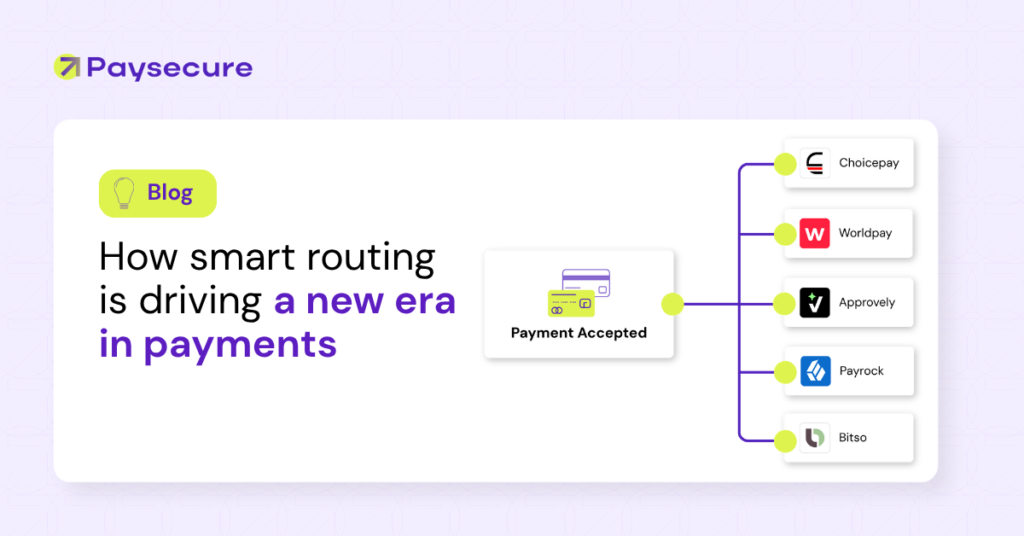
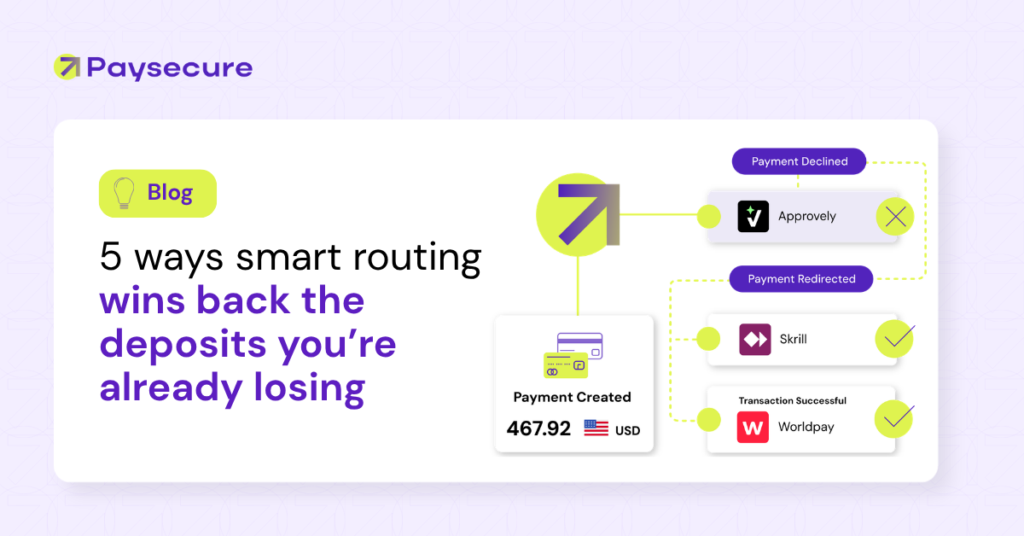
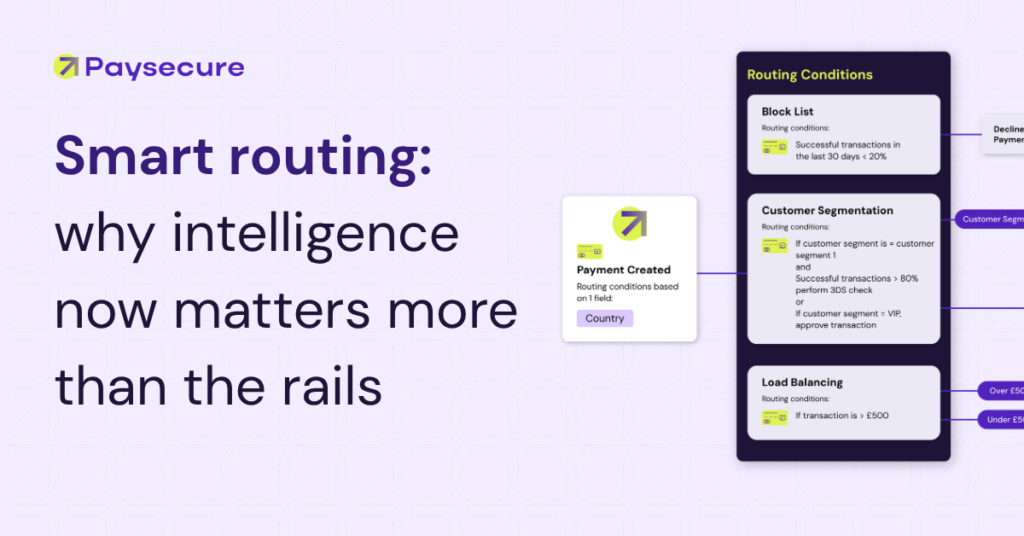
Optimizing conversion starts with smart routing. Every millisecond and micro-decision at checkout matters. By analyzing acquirer performance in real time, merchants can route transactions through the most effective paths, prioritizing approval rates, reducing cost per transaction, and improving overall reliability. This dynamic approach ensures that the payment experience feels fast, seamless, and consistent, regardless of region or volume spikes.
Once routing is intelligently configured, local insight takes center stage. In emerging or highly region-specific markets, integrating preferred payment methods is non-negotiable. Methods like Pix in Brazil or Interac in Canada have become so ingrained in daily life that players expect to see them at checkout. In many cases, the payment method is part of the brand experience itself. In fact, the absence of these options can create instant drop-off.
However, offering local methods isn’t enough. Businesses should have the capacity to enable them to work flawlessly. Frictionless APMs like Pix in Brazil, UPI in India, or Yape in Peru (so ubiquitous it’s now a verb) do more than complete a transaction; they create trust, drive confidence, and reinforce the brand’s local relevance.
Through our experience, and in alignment with the panel’s insights, we’ve learned that to truly convert users and scale globally, operators need access to a wide network of partners and platforms that understand local behavior and can offer familiar, local payment methods that instil trust and tend to specific user requirements and preferences.
Smooth, instantly approved transactions reinforce confidence. Beyond speed, it’s the sense of familiarity that drives trust. At Paysecure, we enable both layers: intelligent routing across high-performing acquirers, and deep support for local APMs through our orchestration layer. That means better conversion, smoother scale, and a payment flow that meets players where they are.
Behavioral signals are hidden in the data
Every transaction tells a story. Failed deposits, repeat declines, or delays are behavioral signals. These signals, when read correctly, help operators identify fraud trends, flag high-risk behavior, and personalize the player journey.
The panel highlighted that payments data is an underused asset. From subtle changes in spending to abnormal usage patterns, these insights can and should guide product design, anti-fraud strategies, and retention efforts.
Used proactively, transactional data becomes a strategic tool. It enables operators to move from reactive support to predictive action, mitigating risk, building trust, and shaping more intelligent player experiences.
Safer gambling starts with shared responsibility
Responsible gaming isn’t just about setting deposit caps or self-exclusion tools. It’s about identifying red flags early and acting fast. That requires true collaboration between operators and payment companies.
When asked about where accountability should sit, our CCO discussed that accountability shouldn’t sit with one side alone. Responsibility must be shared and payment orchestration platforms must take an active role, sharing data in real time, flagging risks, and supporting operators in creating safer environments. When both parties engage, prevention becomes proactive, not reactive.
“Payment companies”, she added, “are often the first to spot worrying patterns” like repeated declines, unusually large deposits, or spending spikes. These financial anomalies can be early indicators of problem behavior.
At Paysecure, we use data not just for performance monitoring, but as a core tool to protect both operators and players. Our orchestration platform analyzes traffic across multiple providers and markets, giving us a unique ability to spot behavioral patterns, detect fraud attempts, and flag risky activity before it impacts businesses. We leverage over 50 parameters like geolocation, transaction type, and real-time behavior for a full 360° user assessment. With 10+ types of granular reports, we offer the intelligence merchants need for safer gambling, stronger compliance, and long-term sustainability.
From transactions to trust: Payments as a long-term strategy
The event was a valuable opportunity for us to share our expertise, exchange perspectives with other industry leaders, and return with fresh insights that will help shape how we continue supporting merchants worldwide. Viktoriia Degtiarova, our Co-Founder & CCO, brought a sharp, operator-focused perspective to the conversation, highlighting real-world payment challenges across global markets.
What everyone needs to keep in mind is that every failed transaction chips away at player trust and rebuilding it takes time, effort, and transparency. In a competitive market, that’s a risk few can afford.
Payments are no longer just about execution. They’ve become a strategic layer that brings together compliance, marketing, loyalty, user experience, and regulation. Businesses must constantly analyze behavioral data, adapt to user expectations, and understand what builds confidence versus what creates friction.
Payment design and performance have evolved into core components of the player lifecycle. They shape first impressions, long-term trust, and ultimately, commercial success. Thus, payments are now narrative tools, brand signals, and strategic decision-makers all at once.
The learning process never ends. Operators and providers must continually ask: What do our players respond well to? What deters them? What earns repeat visits? Embedding those answers into every layer of the payment journey is what separates short-term wins from long-term loyalty.
Watch the on-demand SBC Payments 2025 session or visit our website to see how we’re supporting the next generation of iGaming payments.