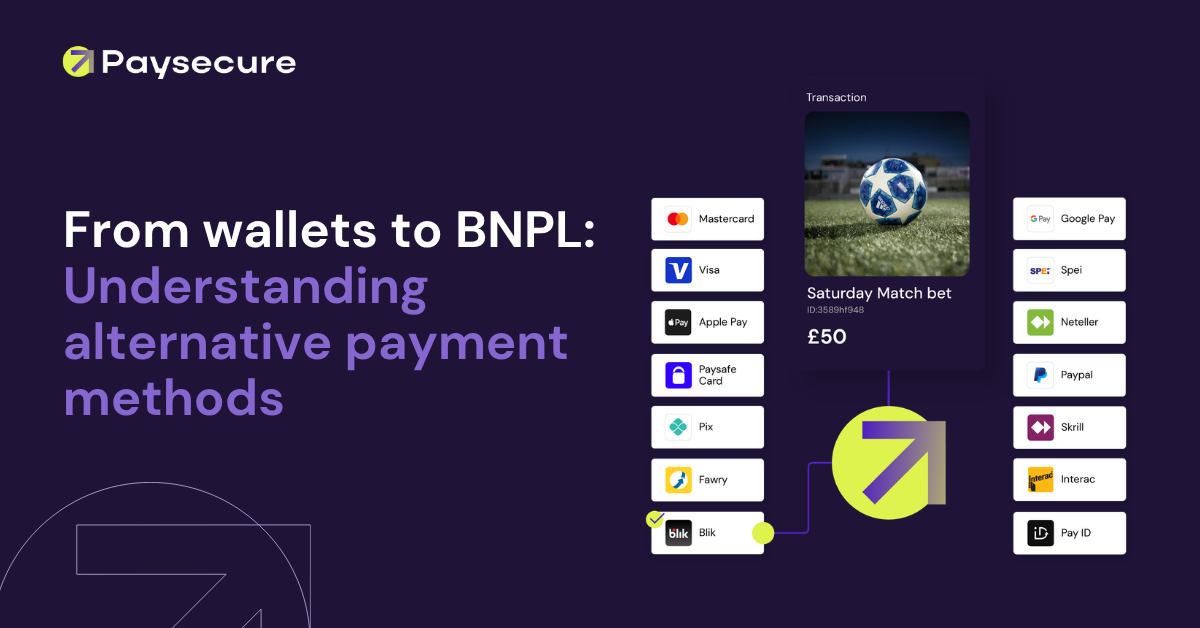
The way people pay online is changing rapidly. While credit and debit cards remain a global standard, today’s consumers expect more flexible options, including digital wallets, real-time bank transfers, mobile apps, and Buy Now, Pay Later (BNPL) services. These are known as alternative payment methods (APMs), and they operate outside traditional card networks.
For digital businesses, supporting APMs is no longer optional. Offering the right mix of payment options enables seamless, convenient, and globally accessible transactions that improve customer experience, reduce checkout abandonment, drive growth, and appeal to new audiences.
Consumer payment behaviour is evolving as customers prioritise choice, transparency, and control when completing transactions. Many select payment methods based on transaction value and risk, using credit cards for higher-value purchases to benefit from protections, while opting for Open Banking A2A payments for transparency and immediate account recognition. Alternatives like BNPL appeal for flexible, interest-free instalments, and digital wallets or mobile apps offer speed and convenience for everyday purchases. These shifts reflect a broader trend where customers no longer just seek fast or cheap payments, but solutions that align with their financial habits, confidence, and preferences across different sectors and spending levels.
What are alternative payment methods?
Alternative payment methods are any payment option that is not a traditional credit or debit card. They include:
- Digital wallets: Mobile or online wallets store funds securely and allow fast, frictionless payments.
- A2A (account-to-account): Payments that move instantly between bank accounts, improving speed and reliability.
- Mobile payment apps: Platforms that enable payments via smartphones, often integrating loyalty programs or social features.
- Online banking payments: Direct bank payments without cards, widely used in Europe and Asia.
- Buy Now, Pay Later (BNPL) services: Allow consumers to split purchases into installments, boosting affordability and conversion.
These methods provide consumers with choice and convenience while giving businesses the ability to cater to different markets and preferences. APMs can be global, such as Open Banking, which is available in multiple regions, or local catering to specific countries or markets, for example iDEAL in the Netherlands, or Pix in Brazil. Understanding which APMs are popular locally can help you optimise and personalise compelling payment experiences for your customers.
Top 15 alternative payment methods worldwide
Here are the 15 most widely used alternative payment methods, based on global popularity and regional adoption:
- UPI: (India, real-time payments) – Dominates India’s mobile banking ecosystem, enabling instant transfers for millions of users daily.
- PayPal: (Global, digital wallet) – trusted for ecommerce and cross-border transactions, with wide acceptance among merchants and consumers.
- Alipay: (China, digital wallet) – One of the largest mobile payment systems worldwide, deeply integrated into everyday commerce.
- WeChat Pay: (China, digital wallet) – Integrated with social media and ecommerce platforms, enabling seamless mobile transactions.
- Skrill: (Global, digital wallet) – Popular in Europe and for online marketplaces, supporting international payments.
- Pix: (Brazil, real-time payments) – Brazil’s instant payment system, widely used for peer-to-peer and merchant payments.
- Apple Pay: (Global, mobile wallet) – Built into iOS devices, supporting contactless and online payments.
- Google Pay: (Global, mobile wallet) – NFC-enabled and widely accepted for online and mobile transactions.
- Venmo: (USA, digital wallet) – Peer-to-peer payments and ecommerce integration, popular with younger consumers.
- Klarna: (Europe, Buy Now, Pay Later) – Enables installment payments, driving higher conversion in online shopping.
- GCash: (Philippines, mobile wallet) – Dominant mobile payment platform in the Philippines, enabling everyday transactions.
- PayPay: (Japan, digital wallet) – Rapidly growing mobile payment solution with strong merchant adoption.
- IMPS: (India, real-time payments) – One of India’s core instant payment systems, providing fast bank transfers.
- Faster Payments: (UK, bank transfer) – Real-time payment system connecting consumers and businesses for instant transfers.
- Kakao Pay: (South Korea, digital wallet) – Integrated with messaging and commerce apps, widely used for online and mobile payments.
Each of these platforms has become a critical part of the payment landscape, with strong adoption in its home region and increasingly global relevance.
Offering alternative payment methods drives growth
Supporting alternative payment methods delivers a range of benefits that directly impact both customer experience and business performance:
Speed of checkout: The rise of one-click checkouts and digital wallets has reduced checkout time to a fraction of a second, and many consumers now choose payment methods that deliver this level of convenience.
Customer expectations: Shoppers increasingly expect to pay using the methods they already know and trust, making payment flexibility a key part of the overall experience.
Reduced abandonment: Offering preferred payment options helps minimise friction at checkout, lowering the risk of cart abandonment and lost sales.
Improved conversion rates: A smoother, more tailored checkout experience encourages more customers to complete their purchases.
Enhanced security: Many alternative payment methods include built-in authentication and fraud protection, increasing customer confidence.
Global reach: Supporting a wider range of payment options enables businesses to cater to international customers with different local preferences.
Customer loyalty: Providing a seamless and familiar payment experience helps build trust, satisfaction, and long-term loyalty. For example, sector insights from the Paysafe 2025 report* show that digital wallets are preferred by around 38% of global players and debit cards by about 42%, reflecting strong demand for diverse payment options. In iGaming specifically, 60% of players say they plan to increase their use of alternative payment methods and local payment options over the next two years, underscoring how payment choice influences engagement and retention.
These figures illustrate that offering a wider range of payment methods isn’t just a nice to have, but a competitive differentiator that helps businesses appeal to new audience segments and reduce abandonment by aligning with customer preferences.
The future of alternative payments
Alternative payment methods will continue to grow globally. Digital wallets, real-time payment systems, and mobile-first solutions are expanding rapidly, particularly in regions where card penetration is low. Businesses that integrate a strategic mix of APMs will meet customer expectations, improve conversions, and stay competitive in a fast-evolving digital economy. Beyond this, supporting global adoption through flexible payment architecture and orchestration enables businesses to reach new markets and customer segments with local payment preferences.
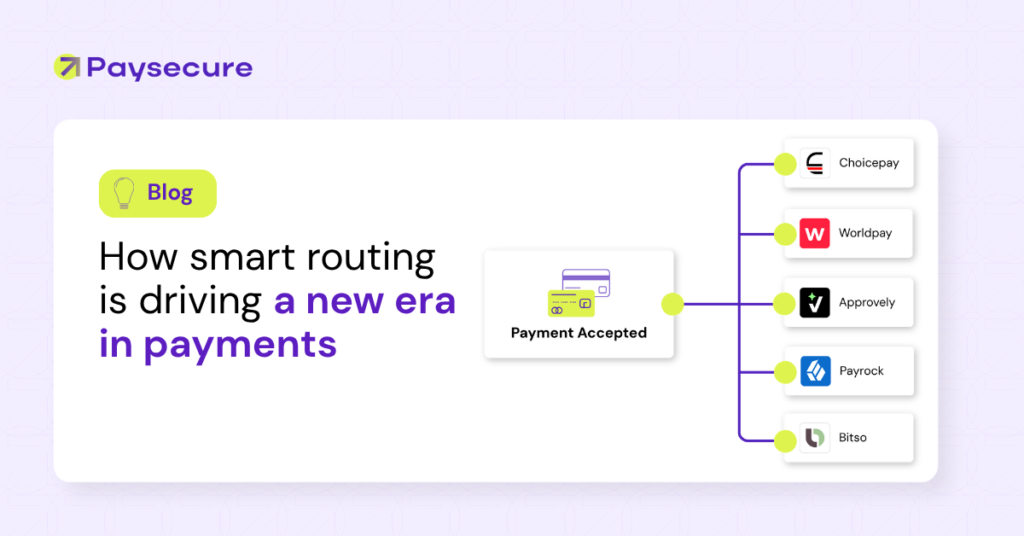
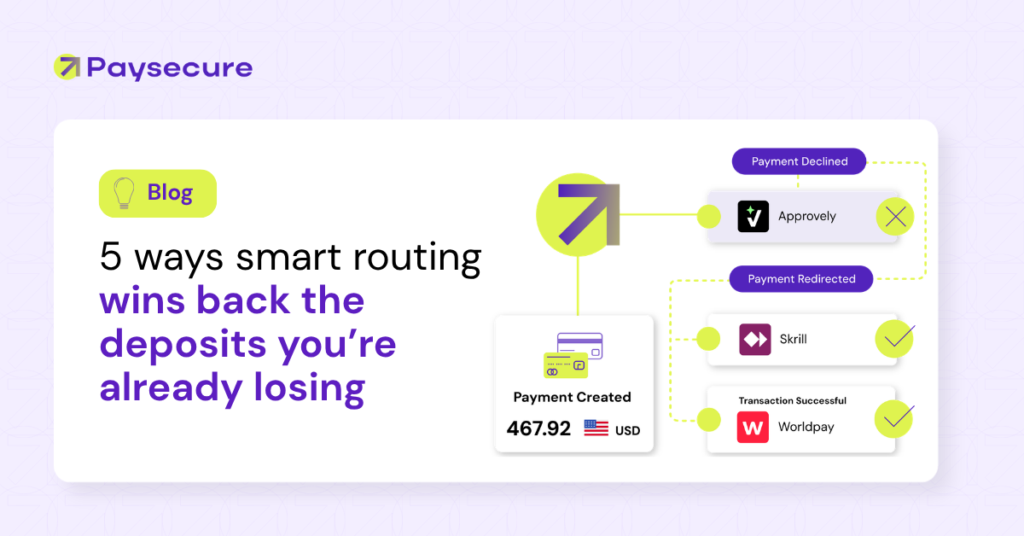
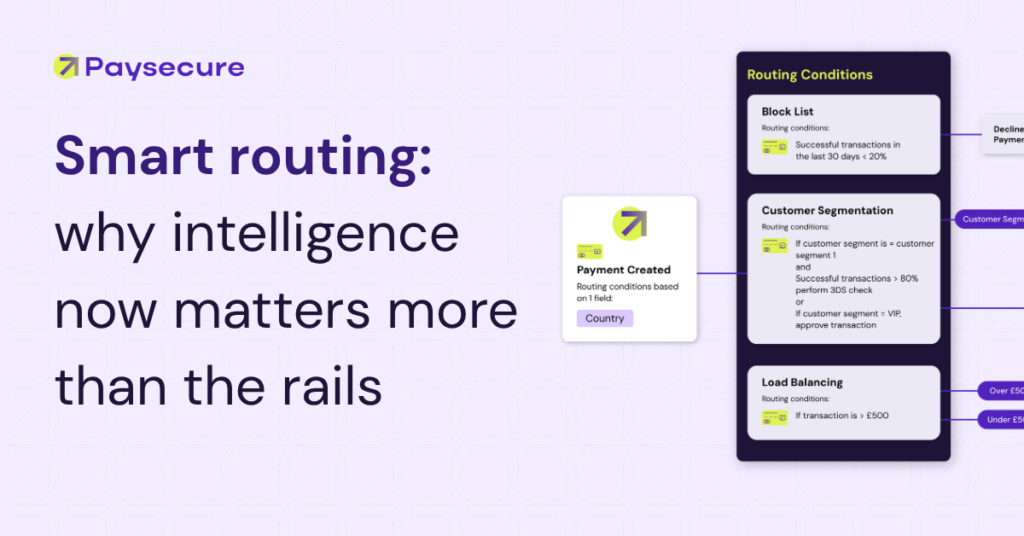
Modern payment orchestration, including smart connects, dynamics, and unified cashier experiences, plays a crucial role in unlocking this potential. By connecting multiple providers and methods through a single platform, merchants can intelligently route transactions for better performance, handle fallback logic to recover failed payments, and introduce new APMs without heavy engineering overhead. This not only reduces complexity but also supports readiness for expansion across regions with diverse payment behaviours and local requirements.
A seamless payment experience
By offering the payment methods your customers prefer, you can create a targeted payment strategy that drives growth, secures market share, increases acceptance rates, and reduces checkout abandonment.
Whether your goal is to strengthen your offering in existing markets or provide local payment solutions for new global audiences, Paysecure makes it simple. Our platform allows you to connect with over 500 PSPs and acquirers and access more than 200 alternative payment methods, ranging from digital wallets to card schemes. For more information on how Paysecure can support you to streamline your payment experience, get in touch.
*https://www.paysafe.com/fileadmin/content/pdf/Paysafe_-_All_the_ways_players_pay_2025.pdf