In iGaming, the market rarely holds still long enough for anyone to catch up. Regulations shift, new payment methods go live, player expectations move quarter on quarter, or a competitor launches in a market you were still scoping. The operators who grow are not necessarily the ones with the most resources. They are the ones who can adapt the fastest.
That ability to adapt is often framed as ‘control’, when in reality, what operators really need is agility. Agility is not a feature you simply switch on. It is structural, a property of how your payment stack is built. Orchestration is what makes it structural rather than aspirational.
Agility is structural, not a feature
When a payment stack is made up of direct, hard-coded integrations, every change becomes an engineering project. Adding a payment method, entering a new market or switching providers requires development work, testing and time. The stack dictates the pace of change, and it is rarely aligned with the speed at which the market is evolving.
Payment orchestration changes that by introducing a single, configurable layer between your business and the payments ecosystem. Instead of rebuilding your infrastructure every time requirements change, you can make updates through configuration rather than development. The result is a payment stack that can evolve as quickly as your business. Here’s what payment orchestration enables.
1. One integration, endless connectivity
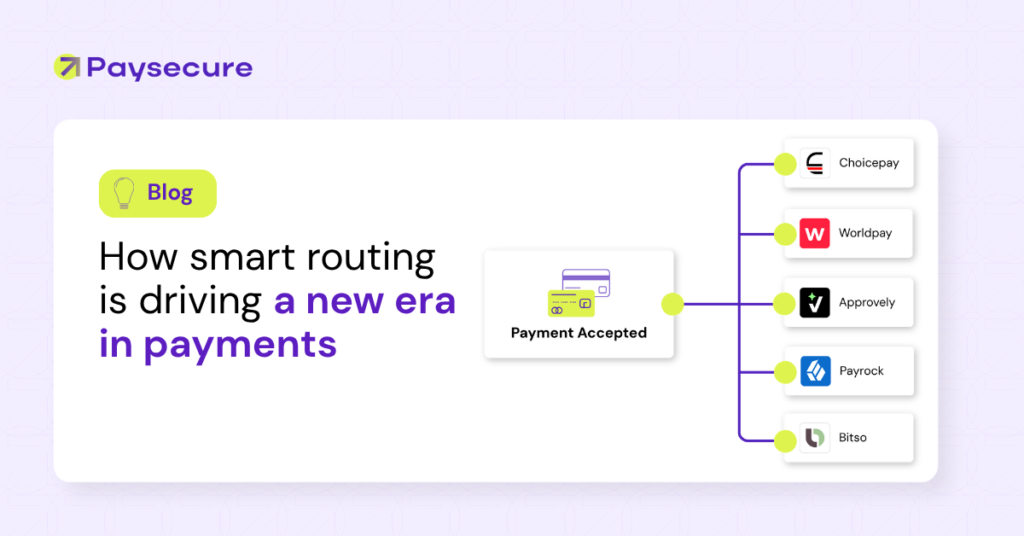
With payment orchestration, a single integration gives you access to a wide network of payment providers and methods without the need for bespoke integrations every time you want to expand. Paysecure’s platform connects to 500+ PSPs and acquirers, 200+ alternative payment methods and 180+ currencies through one integration.
The connectivity is already in place. You simply enable what you need, when you need. This gives you the flexibility to expand your payment ecosystem as your business evolves, and allows you to respond faster to market demands and changing customer expectations.
2. Configuration over code
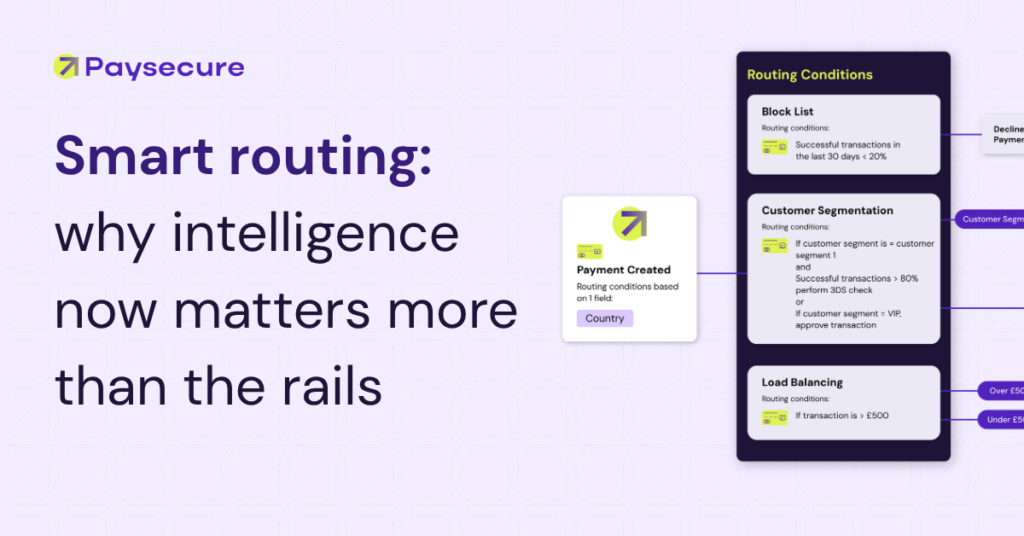
The real test of agility is how long it takes to act on a decision. When routing rules and workflows are changed or updated through configuration rather than custom development, you can respond to changing market conditions without waiting for lengthy release cycles. Your technology adapts to your strategy, not the other way around.
At Paysecure, we empower merchants to go live in as little as two weeks, with a flexible, modular setup that makes it easy to scale at your own pace.
3. Interoperability by design
A provider-agnostic platform gives you the freedom to work with providers that best support your business, without being tied to a single gateway or acquirer. As business needs evolve and priorities change, you can switch, test and trial new providers with minimal disruption or having to re-engineer the stack each time.
Interoperability is more than a technical capability. It is the foundation of an agile payment strategy, keeping your options open as the payments ecosystem evolves whilst ensuring your technology supports change rather than being limited.
4. Intelligence that adapts in real time
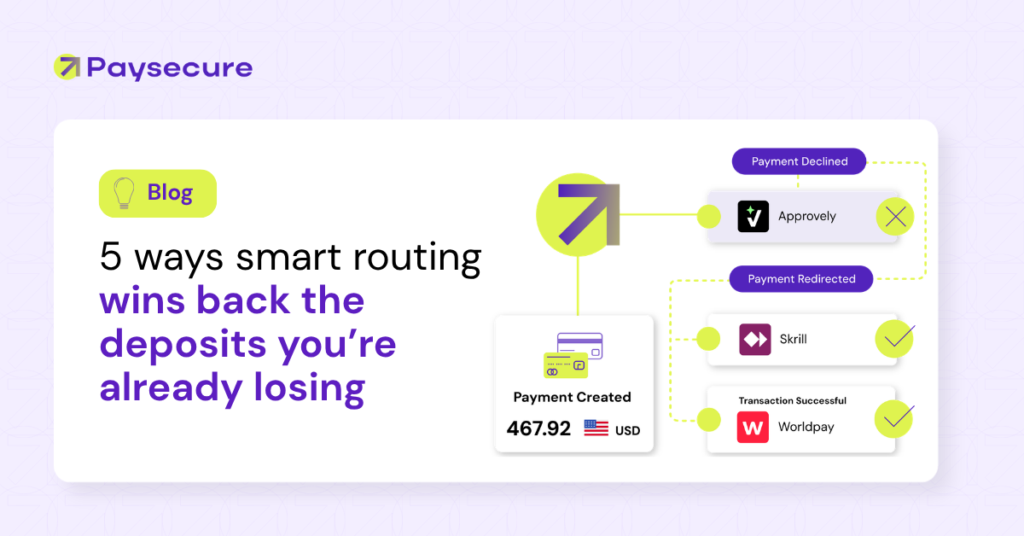
Agility is not only about how quickly you can make changes, but about how intelligently your payment stack responds on its own. Routing that analyses live performance, cost and risk signals, and that can adapt to changing conditions on a transaction-by-transaction basis, enables your payment stack to respond to the market rather than relying on rules defined months ago.
Static automation alone cannot do this, but orchestration can, and that is the difference between keeping pace with competitors and staying one step ahead.
5. Land and expand, without rebuilding each time
The commercial payoff is often speed to market. New markets and providers can go live in weeks rather than months, allowing you to enter a market, test demand and scale without a new integration project every time. Time to market stays short because the connectivity and configurability are already in place, giving your business the agility to scale as opportunities arise.
Agility is a decision and so is building for it
This is where agility meets the build-versus-buy question. An in-house build can be made to work, but delivering structural agility, connectivity, configurability and interoperability all at once, whilst keeping pace with the evolving payments landscape, is exactly what multi-year internal projects struggle to achieve. Payment orchestration provides the foundation for agility that can evolve alongside your business.
If your payment stack is setting the pace instead of supporting your strategy, it may be time to rethink how it’s built. If you would like to explore how a more agile payments infrastructure could support your growth, we would be happy to arrange a call.