Digital payments are often seen as a single, instantaneous action. A customer clicks a button. The transaction is then either approved or declined. However, beneath that split-second interaction is a complex decision-making process: payment routing.
Knowing how a payment travels from buyer to merchant is not just a technical concern; it is a fundamental pillar of business strategy. It directly impacts growth, resilience, and the customer experience.
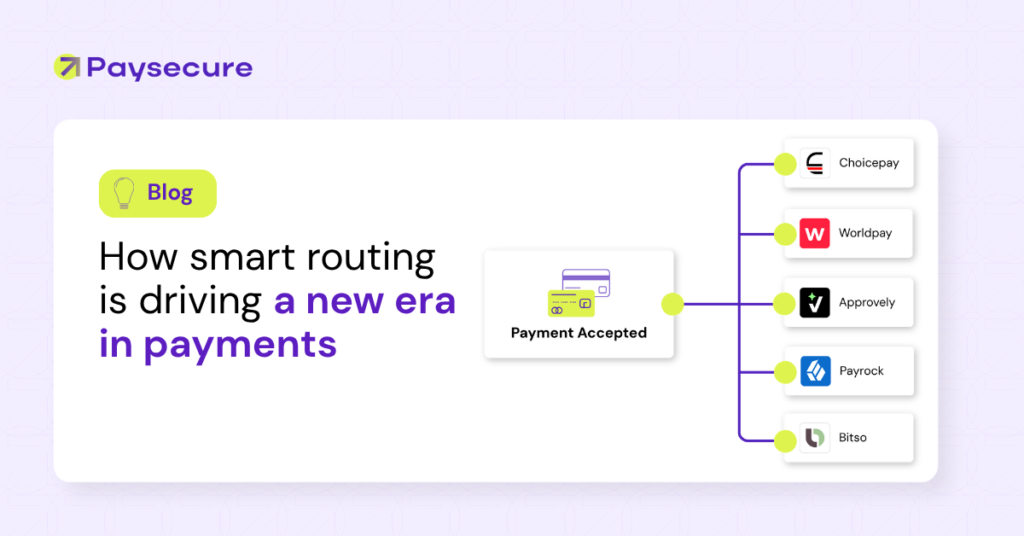
Simply put, payment routing directs a transaction through the best route to its destination. Think of the global financial network as a vast map of roads. Payment routing is the intelligent system that chooses the best route for each vehicle. For a merchant, the system checks every transaction detail, including customer location, currency, and issuing bank. It then decides which financial partner is most likely to handle the request successfully.
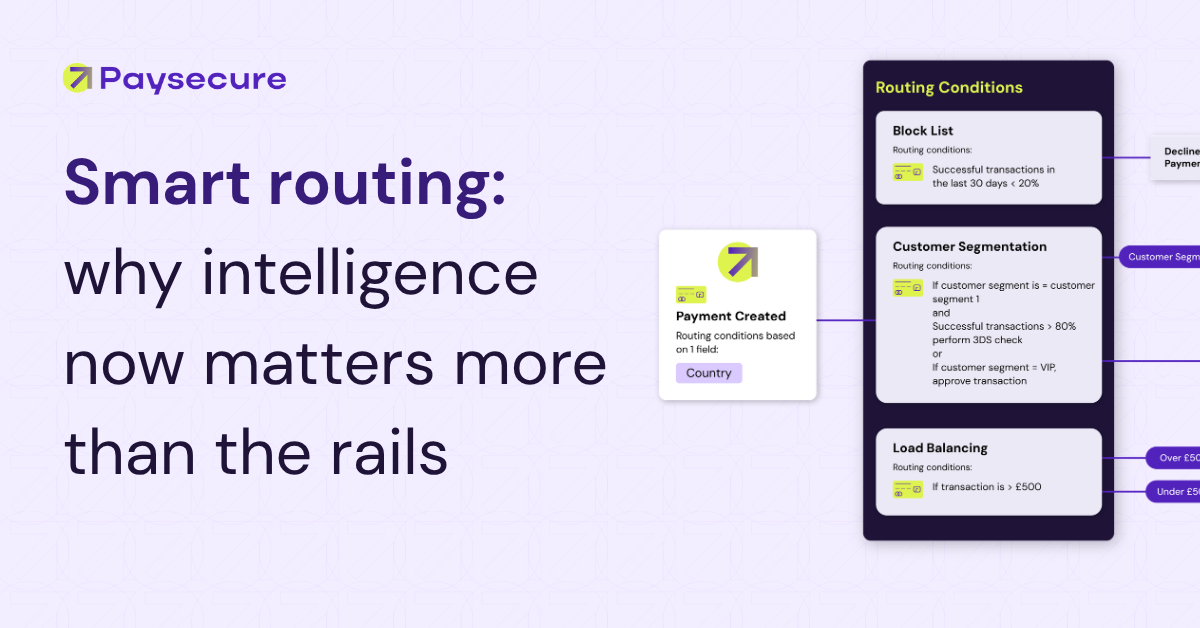
The process is designed to remove friction. When a payment is initiated, a routing engine instantly evaluates data against a suite of criteria. For example, if a customer in Spain makes a purchase, the system knows a local Spanish acquirer is more likely to approve the transaction than an international bank. Choosing the local route can significantly reduce false declines, where legitimate payments are rejected by over-cautious security filters. All of this happens in the background, ensuring a seamless customer journey.
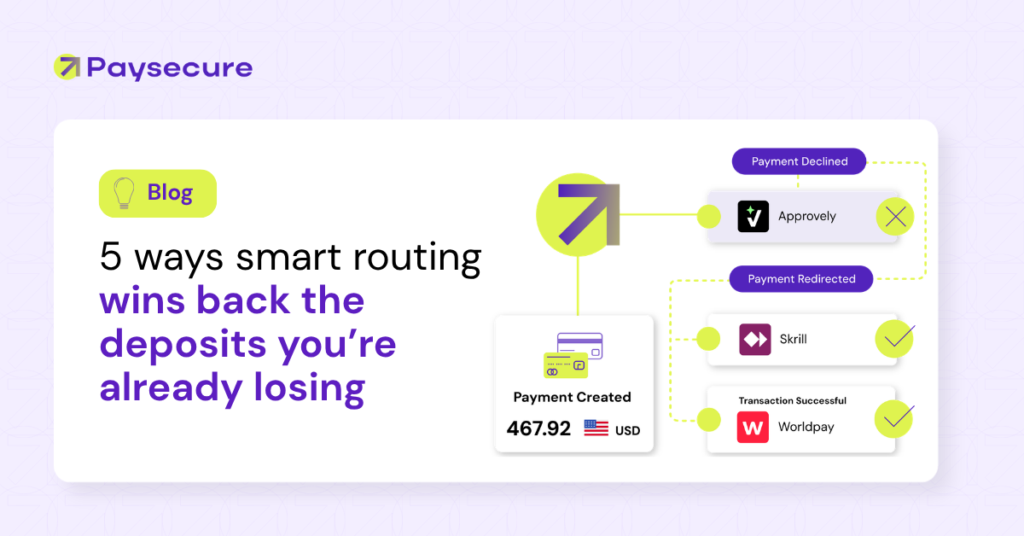
Routing also provides a vital safety net known as redundancy. In the digital world, even reliable financial institutions experience occasional downtime. Without intelligent routing, a merchant depends on a single connection. If that connection fails, the business effectively closes. Modern routing solves this through cascading. If a primary processor experiences a technical glitch, the system instantly reroutes the transaction to a secondary partner. The customer is unaware of the retry. This prevents the frustration that can lead to abandoned checkouts.
When a Tier 2 merchant is able to offer the increased connectivity that redundancy provides, this can become a unique selling point. Greater access to payment service providers and payment methods can naturally improve operations in the long-term, making it crucial to partner with the right payment platform to provide this connectivity.
Routing also provides the opportunity to segment customers. The transaction can be directed to a specific payment processor based on the customer’s profile, tier, or behaviour. When customer data points can be analysed in real-time, the process can become even more seamless.
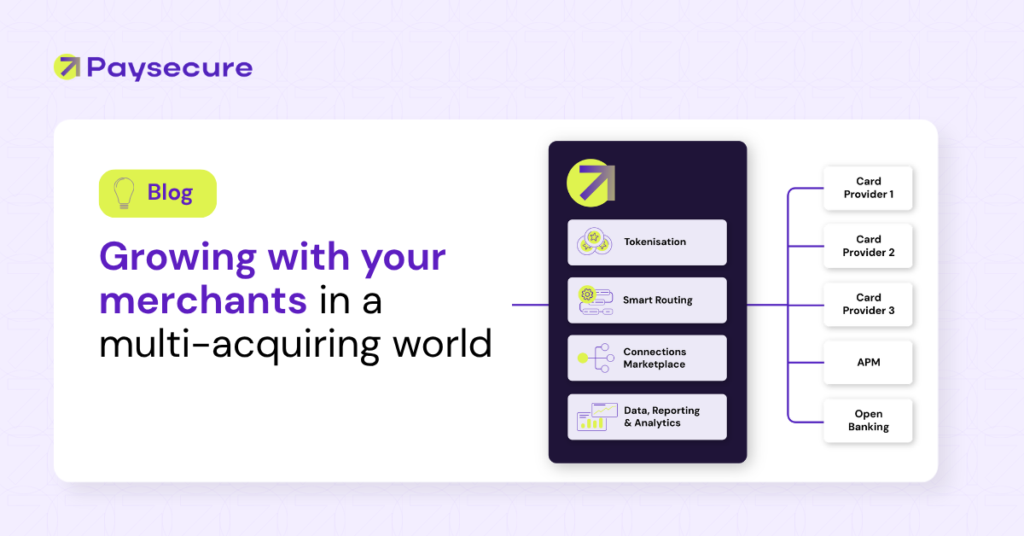
When selecting a solution, merchants often choose between a costly, high-maintenance internal system, or a rigid, inflexible all-in-one gateway. Payment orchestration offers a superior third way. It acts as a single hub connecting a business to many providers simultaneously. This offers the performance of a bespoke build with the ease of a managed service.
Paysecure’s smart routing solution is a market leading solution. It combines ecosystem connectivity with transaction performance insights. Our platform doesn’t just route payments; it learns from every transaction to constantly refine approval rates and reduce costs, while connecting to a wider product suite with improved functionality. By democratising access to enterprise-grade infrastructure, we empower businesses of all sizes to scale globally with confidence. To find out how Paysecure can transform your payment strategy and drive your conversion rates higher, contact our expert team today.